10 Essential Engineering Practices for Junior Developers
Great software engineering is not just about writing code that works—it’s about writing code that is clean, maintainable, and scalable. The best engineers develop good habits that make their code easier to read, debug, and extend over time.
For junior engineers (2-5 years of experience), adopting these best practices early will save you countless hours of debugging and refactoring later in your career. This post covers 10 essential engineering habits, along with practical examples to help you apply them in real-world projects.
1. Name Variables and Functions Properly
Poor naming conventions can make even simple code unreadable. Your goal should be to name variables and functions descriptively so that another developer (or future you) can understand their purpose immediately.
Bad Example (Unclear Naming)
def c(p, d):
    return p * d
What does c mean? What are p and d? This is unreadable.
Better Example (Descriptive Naming)
def calculate_total_price(price_per_item, quantity):
    return price_per_item * quantity
- Variables should describe what they represent, not just how they are used.
- Function names should state what they do—use verbs for actions (
calculate_total_price,fetch_user_data). - Stick to a consistent naming style (camelCase, snake_case) depending on your language.
2. Develop Good Commit Habits
Using Git effectively is a must-have skill for any developer. Messy commit histories make debugging painful, while good commit practices help track and understand changes.
Best Practices for Commits:
✅ Commit small, self-contained changes
✅ Write meaningful commit messages
✅ Use feature branches (feature/signup-page, bugfix/login-crash)
Example of a Bad Commit Message:
❌ "fixed some bugs"
Better Commit Message Format:
✅ "Fix incorrect date formatting in user profile page"
💡 Pro Tip: A good commit message should explain why the change was made, not just what was changed.
3. Good PR Habits
Best Practices for Pull Requests:
- Keep PRs small and focused (one feature or bug fix at a time).
- Include a clear description:
- What does this PR do?
- How was it tested?
- Review other people’s PRs with constructive feedback.
4. Follow the Single Responsibility Principle (SRP)
(Read more: Robert C. Martin on SRP)
A function should do one thing well—if it’s doing multiple things, it’s a sign of code smell.
Bad Example (Violates SRP - One Function Doing Too Much)
def process_order(order):
    # Validate order
    if not order.items:
        raise ValueError("Order has no items")

    # Save order to database
    print(f"Saving order {order.id} to database")

    # Send confirmation email
    print(f"Sending confirmation email to {order.user_email}")

    return "Order processed"
Better Example (SRP Applied - Each Function Has One Job)
def validate_order(order):
    """Check if order is valid."""
    if not order.items:
        raise ValueError("Order has no items")

def save_order_to_db(order):
    """Save order details to the database."""
    print(f"Saving order {order.id} to database")

def send_order_confirmation(order):
    """Send order confirmation email to user."""
    print(f"Sending confirmation email to {order.user_email}")

def process_order(order):
    """Process an order by validating, saving, and notifying the user."""
    validate_order(order)
    save_order_to_db(order)
    send_order_confirmation(order)
    return "Order processed"
💡 Rule of Thumb: If a function does more than one thing, break it down into smaller functions!
5. Move All I/O to the Edges
When writing functions, keep input/output (I/O) operations at the top level and separate them from the core logic. This makes testing easier.
Example:
def process_user_request(request):
    user_data = fetch_user_data(request.user_id)  # I/O at the top
    return calculate_user_score(user_data)  # Pure function, easy to test
💡 Why?
- Core logic remains testable (you can mock
fetch_user_data). - Easier to reason about the function’s behavior.
6. Write Good Tests (Test Pyramid)
(Read more: Martin Fowler on the Test Pyramid)
A solid test strategy follows the Test Pyramid model:
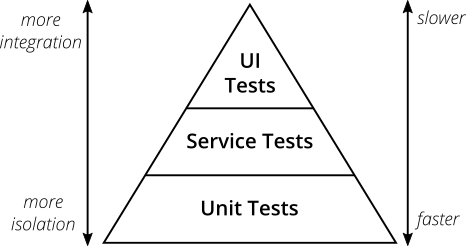
Test Pyramid Breakdown:
- Unit Tests (Fast, 70-80%) – Test individual functions; should run in milliseconds.
- Integration Tests (Slower, 10-20%) – Test how components interact.
- End-to-End Tests (Slowest, ~10%) – Test full workflows but should be limited.
💡 Keep unit tests small and isolated, and ensure tests run fast to encourage frequent testing.
9. Fail Fast & Handle Errors Gracefully
(Read more: Martin Fowler on Fail Fast)
Bad Example (Fails Silently, Hard to Debug)
try:
    do_something()
except Exception:
    pass  # Silent failure! BAD
Better Example (Log the Error and Fail Loudly if Needed)
try:
    do_something()
except Exception as e:
    logging.error(f"Something went wrong: {e}")
    raise  # Don't hide errors!
10. Don’t Reinvent the Wheel (But Avoid Dependency Hell)
(Read more: NPM Docs on Dependency Management)
Using third-party packages can save time, but too many dependencies can lead to version conflicts and security issues.
Example of NPM Dependency Hell:
left-padbreaking the internet because a tiny package was removed.- Having 50+ dependencies for something simple like date formatting.
Rule of Thumb:
✅ Use libraries for complex, standard solutions (e.g., authentication, database).
❌ Avoid unnecessary dependencies for simple things you can write yourself.
Conclusion
These engineering practices will make your code cleaner and more maintainable. Start small—focus on improving 1% every day. 🚀